Customer Profile:
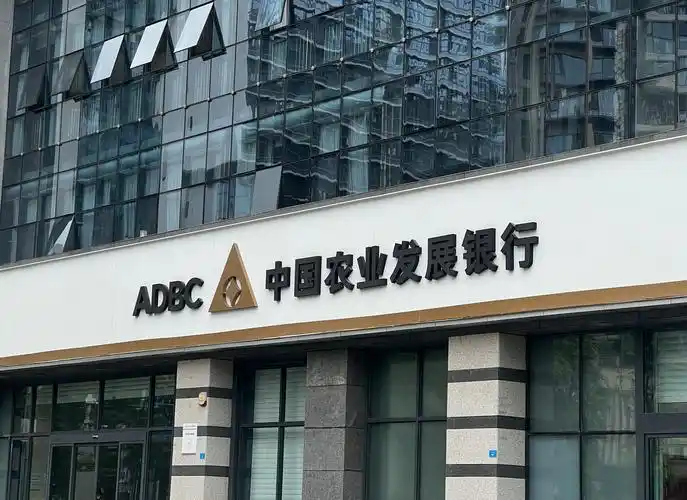
The Agricultural Development Bank of China (CADB) is a state-owned commercial bank in China, mainly dedicated to providing financial services for the agricultural sector. This bank plays a crucial role in supporting the economic development of rural China by providing loans and financial products for farmers, enterprises and rural development projects. CADB is committed to improving its financial management processes to ensure the stability and growth of its business.
Project Background:
In order to enhance the accuracy and efficiency of financial management and risk control, the Agricultural Development Bank of China recognizes the need for an advanced asset-liability management (ALM) system. The ALM system has the capabilities of liquidity management, cash flow prediction, and scenario modeling. By implementing this system, the Agricultural Development Bank of China strives to ensure that its asset-liability management process is more accurate. And it can better adapt to the constantly changing market environment.
The ALM system needs to focus on enhancing key financial indicators such as the cash flow gap, liquidity indicators, and the management of high-quality liquid asset reserves, and integrate advanced stress testing and scenario analysis modeling tools to simulate different market environments and assess the potential impact of these factors on the bank’s financial situation.
Provided solutions:
Golden Idea Technology Company has collaborated with the Agricultural Development Bank of China to develop and implement a powerful asset-liability management system. This system is designed to help the Agricultural Development Bank of China grasp its balance sheet situation in real time, thereby achieving more accurate decision-making and more effective risk management.
The main features of this solution include:
Cash flow gap management: The system automatically tracks and analyzes cash flow gaps within different time periods, helping Agricultural Bank of China better manage liquidity demands and reduce the risk of liquidity shortages.
Liquidity and capital reserve management: Systematically optimize the management of liquidity and high-quality liquid asset reserves to ensure that Agricultural Bank of China maintains sufficient reserves, meets regulatory requirements, and covers potential liquidity risks.
Stress testing and scenario modeling: The ALM system includes tools for running stress tests and simulating various economic scenarios to understand how market fluctuations, interest rate changes, and other factors affect the financial stability of banks.
Product and account hierarchy design: The system supports refined product and account hierarchy management, organizing information by dimensions such as currency, institution, and business line to achieve more accurate and fine-grained reports.
Improved data analysis and reporting: This system enhances the bank’s ability to analyze financial data, providing better insights into asset-liability mismatches, liquidity risks, and capital adequacy ratios.
Optimize management processes: The asset-liability management system simplifies management processes by automating daily tasks and improving work processes, making it easier for banks to monitor their financial conditions and take proactive measures when necessary.
Result:
Since the implementation of the asset-liability management system of Agricultural Development Bank of China, its financial management capabilities have significantly improved:
Enhancing liquidity management: The system’s ability to manage cash flow gaps and liquidity reserves has improved the bank’s liquidity situation, ensuring that it can fulfill short-term and long-term financial obligations without risk.
Better stress testing and risk assessment: The integration of stress testing and scenario modeling tools enables banks to simulate various market conditions, enhancing their ability to assess risks and plan for potential economic fluctuations.
Enhancing accuracy and efficiency: By automating daily tasks and improving the accuracy of cash flow forecasts and liquidity reports, this system saves time and reduces human errors in financial analysis.
Optimize asset-liability management: This system can conduct more precise and detailed analyses of the bank’s assets and liabilities, thereby making better decisions and formulating more effective risk mitigation strategies.
Enhancing regulatory compliance: The ALM system ensures that the Agricultural Development Bank of China meets all regulatory requirements related to liquidity management and capital reserves, reducing the risk of non-compliance with financial regulations.
Cost savings: The system’s automated functions significantly reduce the manual workload of asset-liability management, thereby saving costs and enhancing the efficiency of resource allocation.